Featured
The smart Trick of Understanding Bankruptcy Types and Req...
Recovering Personal Credit Rating the Right Way Things To...
Getting My The Pros to Consider of How Credit Counseling ...
:max_bytes(150000):strip_icc()/DebtRelief-BestDebtReliefCompaniesImage-65c32a5716014aeca3a4e55477cb8130.png)
The 5-Minute Rule for Key Things You Must Ask Before Enro...

Rebuilding Your Credit Score After Debt Forgiveness Things To Know Before You Buy
Table of Contents
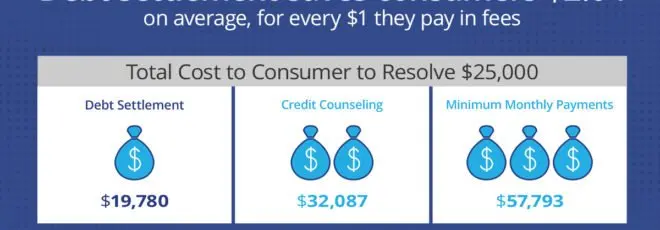
That maximizes cash in the short-term, and you may have three to 4 years to save toward the negotiation amount. Extremely harmful to debt scores, mostly because of missed settlements and a negative "resolved" mark that might remain on your debt record for up to seven yearsMay be just alternative if other options (debt consolidation, equilibrium transfer charge card, debt forgiveness) aren't possibleTypically requires a fee to the 3rd event, which might counter some or all of the cost savings from financial debt settlementMay help you avoid insolvency if you have actually missed a number of paymentsNot all creditors collaborate with financial debt settlement business Financial debt mercy may be best for you if you are experiencing an economic difficulty that makes it nearly difficult to pay down your financial obligation balances.
With a DMP, you make one regular monthly settlement to the credit rating counseling agency. Those funds are after that distributed to creditors of your unsecured financial debts, such as charge card and installment car loans. The agency deals with your creditors to minimize rate of interest or waive fees, yet some lenders may decline such giving ins.
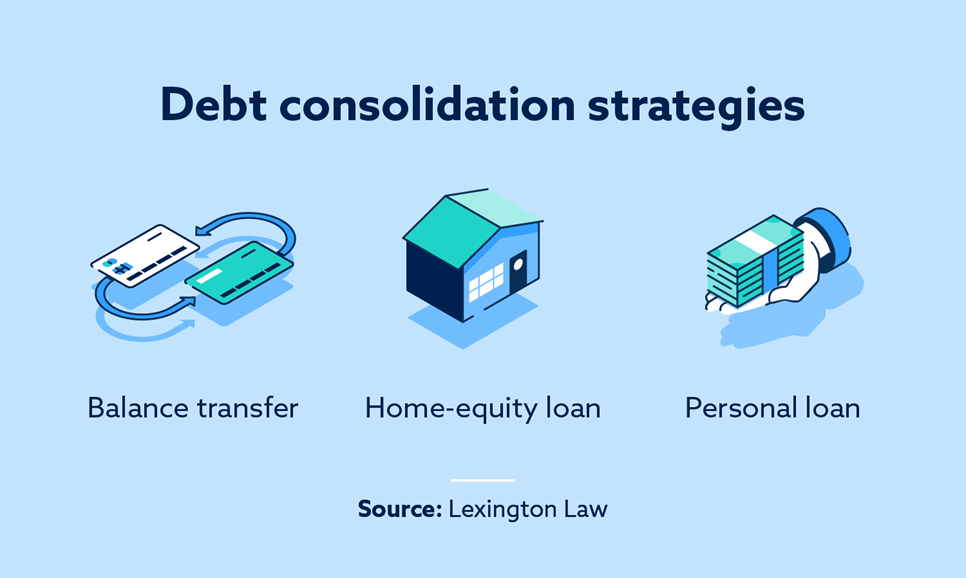
It can assist you pay down financial obligation if you're able to secure a financing rate that's reduced than the average rate of the accounts you're combining. You should refrain from racking up financial debt on those recently cleared accounts or your debt might grow also greater.
These cards commonly use a 0% rate of interest initial period of approximately 21 months. That provides you lots of time to eliminate or significantly minimize your equilibrium while making interest-free repayments. For some individuals dealing with impossible financial obligation, insolvency might be the only means to stop collection proceedings and lawfully resolve their financial debts.
Not known Facts About Medical Debt Relief Pathways
You might require it if your financial institution or a collection agency ever tries to gather on the financial debt in the future. The letter could verify you don't owe what the debt collector's documents reveal. Yes, in most situations, the IRS thinks about forgiven debt as taxed income. When a lending institution forgives $600 or even more, they are called for to send you Form 1099-C.
Debt mercy or settlement usually injures your credit report. Anytime you resolve a financial obligation for much less than you owe, it might look like "cleared up" on your credit score record and influence your credit history for 7 years from the day of negotiation. Your credit score can additionally drop significantly in the months bring about the forgiveness if you fall behind on repayments.
Rumored Buzz on Their Team Method with Clients
Tax obligation financial debt compromise programs Tax debt occurs when the amount of taxes you owe exceeds what you have paid. This circumstance often arises from underreporting revenue, not filing returns promptly, or inconsistencies discovered during an IRS audit. The repercussions of building up tax obligation financial debt are significant and can include tax obligation liens, which offer the internal revenue service a lawful case to your property as safety for the debt.
Incomes and Financial institution Accounts Internal revenue service can levy (take) incomes and bank accounts to satisfy the debt. Building Seizure In severe instances, the IRS can confiscate and sell home to cover the financial obligation.
Depression, anxiety, and various other psychological health concerns. Social Preconception Dealing with legal action from the IRS can carry social preconception. Damages to track record and partnerships. Work Opportunities An inadequate credit rating as a result of tax debt can limit employment possibilities. Difficulty searching for or keeping a job. Federal government Advantages Tax obligation financial debt might affect qualification for government benefits, such as Social Safety and Medicaid.
Some Known Factual Statements About Industry Trends for Best Repayment and Forgiveness Programs for Medical Professionals and Debtor Options
The OIC takes into consideration several aspects, including the taxpayer's income, expenditures, possession equity, and capacity to pay. Successfully bargaining an OIC can be complex, needing an extensive understanding of the internal revenue service's standards and a solid disagreement for why your offer lines up with your capability to pay. It is essential to keep in mind that not all applications are approved, and the procedure requires comprehensive monetary disclosure.
The internal revenue service analyzes your overall economic circumstance, including your earnings, costs, asset equity, and ability to pay. You must also be existing with all filing and settlement demands and not remain in an open bankruptcy case. The IRS additionally considers your conformity background, assessing whether you have a document of timely declaring and paying taxes in previous years.
The Only Guide to Building Post-Debt Financial Plan for Lasting Success
The application procedure for an Offer in Concession involves numerous in-depth steps. First, you must finish and send IRS Kind 656, the Offer in Compromise application, and Form 433-A (OIC), a collection info declaration for people. These types call for detailed financial details, including information about your earnings, financial debts, costs, and properties.
Back tax obligations, which are unsettled taxes from previous years, can considerably enhance your overall internal revenue service financial obligation otherwise attended to quickly. This debt can accrue rate of interest and late repayment charges, making the original amount owed much bigger in time. Failure to pay back taxes can cause the internal revenue service taking enforcement actions, such as providing a tax obligation lien or levy versus your home.
It is essential to address back taxes immediately, either by paying the sum total owed or by arranging a repayment plan with the internal revenue service. By taking proactive actions, you can avoid the buildup of added passion and fines, and stop extra aggressive collection activities by the IRS.
One usual factor is the belief that the taxpayer can pay the sum total either as a lump amount or with a payment strategy. The internal revenue service additionally takes into consideration the taxpayer's earnings, expenditures, property equity, and future earning capacity. If these factors indicate that the taxpayer can afford to pay even more than the supplied amount, the internal revenue service is most likely to reject the offer.
9 Easy Facts About Being Cautious Against Debt Relief Predatory Practices Explained
Dealing with IRS debt can be complicated and complicated. Tax obligation experts, such as CPAs, tax obligation lawyers, or signed up representatives, can supply vital support.

Table of Contents
Latest Posts
The smart Trick of Understanding Bankruptcy Types and Requirements That Nobody is Talking About

Recovering Personal Credit Rating the Right Way Things To Know Before You Get This

Getting My The Pros to Consider of How Credit Counseling Helps You Prepare for Possible Income Drops or Layoffs To Work
More
Latest Posts
The smart Trick of Understanding Bankruptcy Types and Requirements That Nobody is Talking About
Recovering Personal Credit Rating the Right Way Things To Know Before You Get This
Getting My The Pros to Consider of How Credit Counseling Helps You Prepare for Possible Income Drops or Layoffs To Work